
Estimated reading time: 7 minutes
When order volume increases, most operations respond by adding more people to the shipping line. More hands to pack boxes, apply labels, verify orders, and stage shipments may feel like the most practical way to keep up. But there is a hidden cost to manual shipping lines and their upkeep, and that can curb growth.
It’s true that, early on, adding more lines and more labor will probably work: Orders will still go out, and with any luck, customers stay satisfied. The process appears to scale. But as volume continues to rise, the real problems begin to show: Work begins to slow down in unexpected places. Errors become more frequent. Supervisors spend more time managing flow instead of improving it.
These are the early signs that the cost of manual shipping extends well beyond labor. It shows up in how work moves, how often it has to be corrected, and how difficult it becomes to scale without friction.
What Manual Shipping Actually Looks Like in Practice
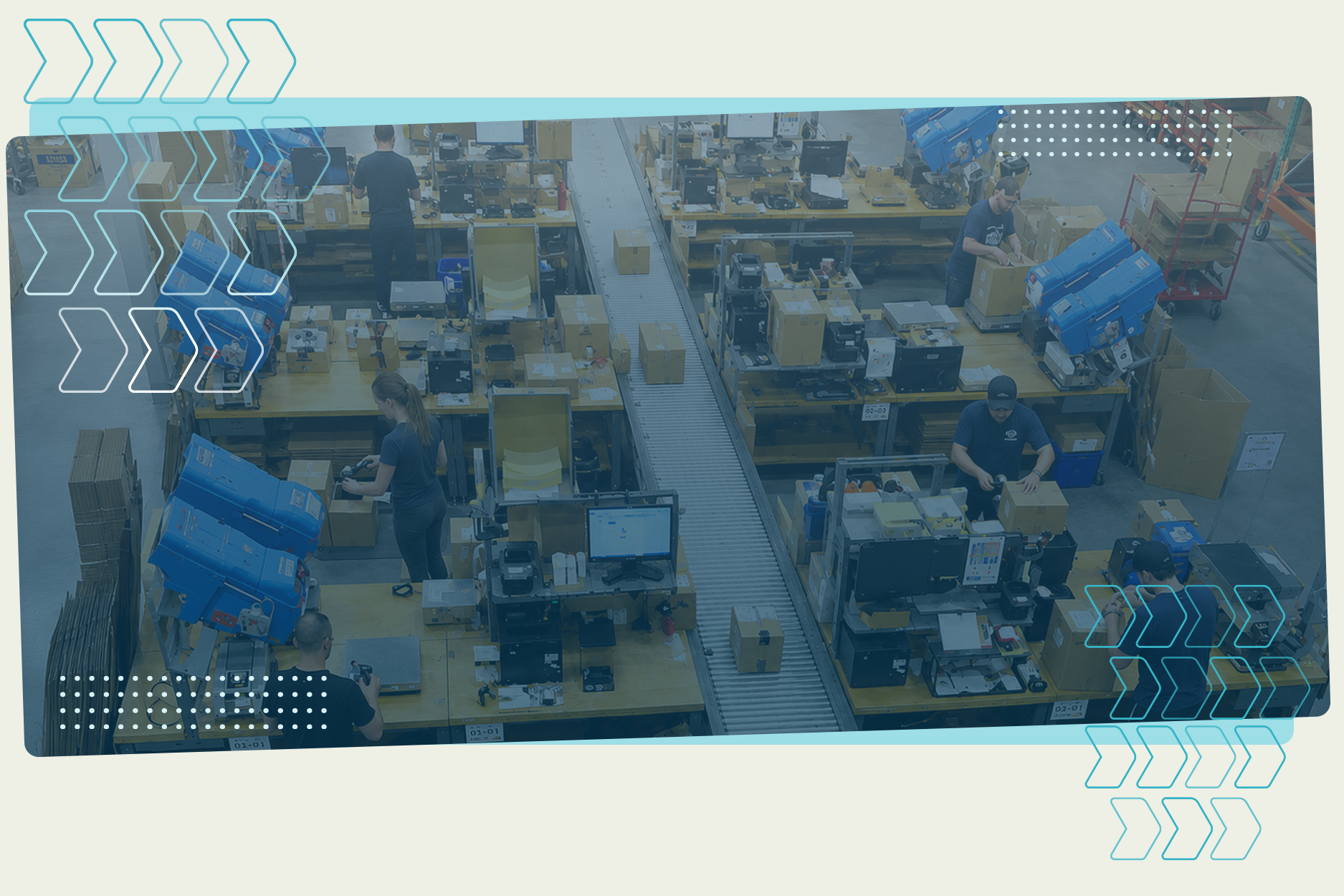
When most teams think about manual shipping, they picture workers packing boxes at a station. In reality, the process is far more fragmented; each order moves through a series of decision points and handoffs before it ever leaves the building.
Common manual touchpoints include:
- Packing decisions, where workers choose box sizes, dunnage, and packing methods, often lead to inconsistent material use and variable shipping costs
- Carrier and service selection, frequently based on quick judgment calls rather than standardized rules, introduces variability in cost and delivery performance
- Labeling and documentation, where workers generate, handle, apply, and sometimes correct labels, manifests, and tracking information
- Order verification, which relies on manual checks that can slow throughput and still miss errors under pressure
- Sorting and staging, where cartons are physically grouped for carriers, creating congestion and handoff delays between steps
- Exception handling, including relabeling, repacking, and resolving mismatches, which pulls labor away from primary tasks and disrupts flow
Individually, these tasks are manageable. Together, they form a system that depends on people to keep everything synchronized. The challenge is not the work itself, but how many moving parts must stay aligned as volume increases.
The Real Cost of Manual Shipping: Systems Complexity
Workers are not just packing boxes or applying labels. They are constantly making decisions, catching mistakes, and adjusting the flow of work in real time. So consider the ramifications for some typical mistakes:
- A mislabeled carton gets pulled off to the side and reprinted.
- A label prints correctly, but gets applied to the wrong box, forcing someone to stop and sort it out.
- An order fails verification, so it gets unpacked and repacked while other orders begin to queue behind it.
Manual shipping introduces unreliable data. Each operator may measure packages to a different tolerance level. Not only do these small interventions and decisions add up quickly, but as these steps interact, the system begins to behave differently than each part on its own. For example, a packer may hesitate between two box sizes and choose one based on experience, leading to inconsistent packaging and shipping costs across similar orders. A supervisor might step in to override a carrier selection because a shipment “feels” too expensive or too slow, even if there is no standardized logic behind the decision. What looks like a straightforward process becomes a system that relies on people to keep it functioning, revealing the real cost of a manual shipping process.
Calculating Costs: Some Example Math
Suppose an operation ships 2,000 orders per day, and manual packing and shipping decisions add just 20 seconds of extra handling time per order. That equals just over 11 labor hours per day. Over a five-day week, that is more than 55 labor hours spent on avoidable manual effort.
Now add rework. If just 1% of orders require relabeling, repacking, or correction before shipment, that is 20 exceptions per day. If each exception takes 5 minutes to resolve, that adds another 100 minutes of labor each day, or more than 8 hours per week.
These numbers do not include the downstream cost of customer-facing shipping errors, delayed shipments, or supervisory time spent managing flow between stations. The point is not that every operation will see these exact numbers; it is that small inefficiencies spread across high order volume quickly become a meaningful constraint on cost, throughput, and scalability.
Why These Costs Limit Growth
These shortcomings mean that manual shipping lines introduce structural limits on how far an operation can scale. At lower volumes, those limits are easy to ignore. Small delays are manageable, and experienced workers can compensate for gaps in the process. As order volume increases, those same gaps begin to widen, with throughput variability often expanding under peak conditions. Bottlenecks form more frequently, errors become harder to contain, and coordination overhead grows as headcount increases.
At that point, adding more labor stops producing reliable gains, with incremental throughput per worker flattening or even declining beyond a certain headcount. Each additional worker introduces more handoffs, greater variation in how work is performed, and increased pressure on shared resources such as printers, staging areas, and verification steps. Instead of smoothing the process, the system becomes more sensitive to disruption. “Just-in-case staffing” can be a band-aid in these situations, but each additional person added to the mix adds incrementally less value and increases the chaos in the system, which ultimately means you can’t hire your way out of the problem.
Reframing the Goal: From Labor Coordination to System Performance
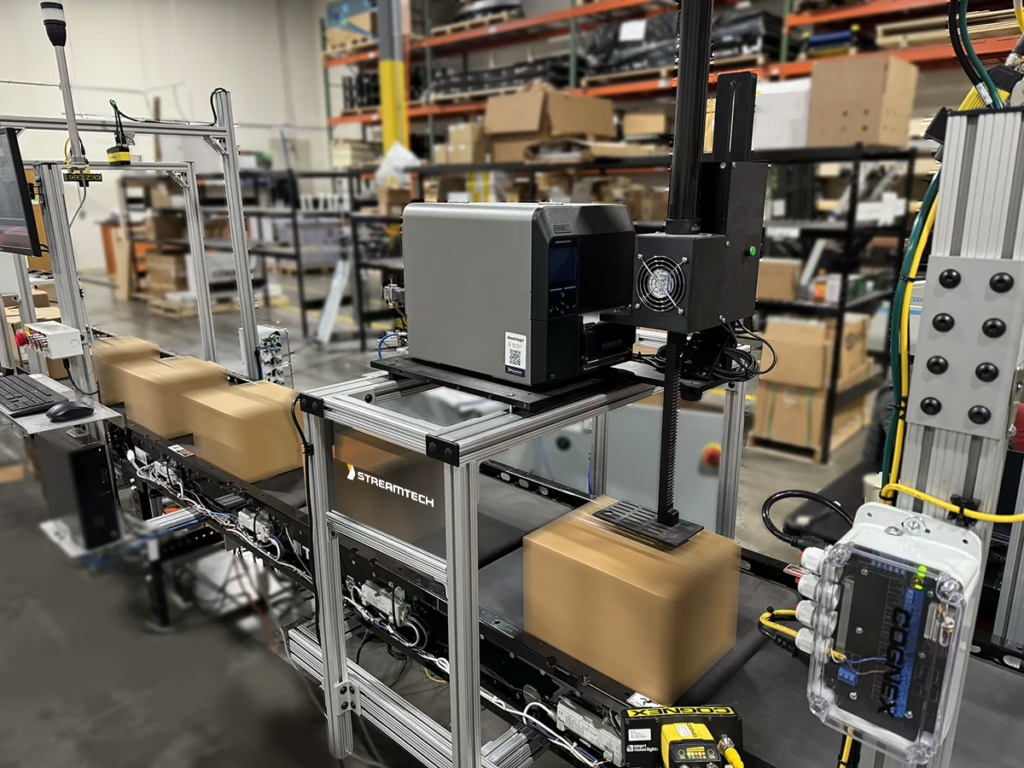
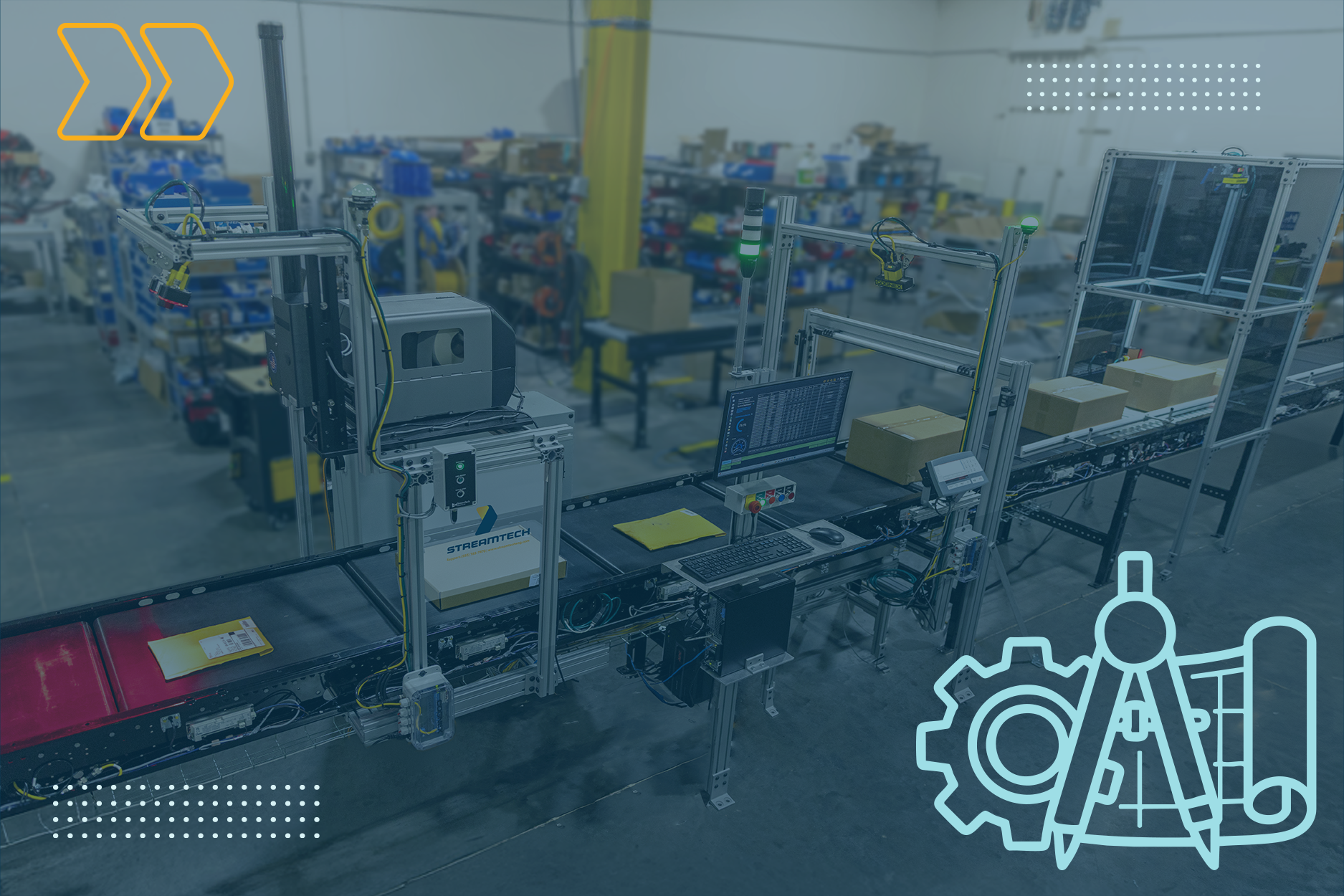
Solving these challenges starts with a shift in how shipping operations are evaluated. Shipping performance improves when manual coordination is replaced with systems that execute key steps automatically. For example, shipping automation systems can weigh, dimension, rate-shop across carriers, generate labels, and apply them in-motion. Instead of a worker deciding how to ship an order, the system applies predefined logic and executes the decision immediately.
Document handling follows the same pattern. Pack slips, return forms, and inserts are often printed, matched, and placed into cartons by hand. Document automation systems handle that process automatically, identifying the order, generating the correct documents, and verifying accuracy before insertion. This removes a common source of delays and errors while keeping packing aligned with downstream shipping.
Sorting and staging also change significantly. Instead of workers grouping cartons by carrier or destination, automated sortation systems scan each package, determine its destination, and route it to the correct lane in real time. This reduces congestion, eliminates manual touches, and ensures packages are consistently directed to the right outbound flow.
With carrier selection, labeling, documentation, and routing handled automatically, those common points of delay no longer depend on manual coordination. Work moves forward as each step is completed, instead of waiting on the next decision or handoff. Labeling happens in sequence, documents stay aligned with the order, and cartons are directed to the correct destination without unnecessary rechecks.
As these interruptions are removed, throughput improves. As a result, capacity can increase without introducing the same level of coordination overhead, allowing the operation to handle higher volumes without adding variability at each step.
Making the Hidden Cost of Manual Shipping Visible
Manual shipping lines don’t just fail all-at-once. They continue to function even as inefficiencies build beneath the surface. But the hidden cost of manual shipping processes emerges just the same: Slower throughput, rising complexity, and greater effort required to maintain the same level of performance.
These costs are easy to miss because they are distributed across the process. They do not appear as a single line item, but they shape how reliably an operation can scale. What works at one level of demand becomes harder to sustain as volume grows.
If your shipping operation is starting to show signs of strain, StreamTech can help you identify where those constraints exist and design a more reliable path forward. From pack automation to fully integrated shipping lines, StreamTech builds systems that improve throughput, reduce variability, and support growth without adding complexity.
Key Takeaways
- Manual shipping creates hidden costs beyond labor.
- Small inefficiencies compound as order volume grows.
- Adding more workers does not solve long-term scalability issues.
- Errors, rework, and bottlenecks reduce throughput and efficiency.
- Automation improves accuracy, consistency, and shipping performance.
- Automated shipping systems support growth without adding complexity.