
Many organizations treat the warehouse as a cost center—necessary to fulfill orders, but ultimately a drain on margins as volume increases. When demand fluctuates, costs rise, performance becomes harder to control, and growth can feel constrained rather than enabled. This isn’t an inherent limitation of the warehouse: It ultimately stems from how most operations handle variability.
In a manual warehouse, even modest changes in order volume introduce variability at multiple points in the process. As orders move through receiving, picking, and packing, throughput is governed by labor availability, travel time, and local decision-making. Under increased demand, those factors become constraints. Typically this is when additional labor is layered in, and workarounds begin to emerge. Then, when demand softens, the same system becomes inefficient in reverse—overstaffed, underutilized, and difficult to rebalance.
Over time, this dynamic limits how the business can grow, and it is a main reason why warehouses are seen as cost centers: Not because they lack value, but because their behavior under changing conditions isn’t predictable enough to support growth.
Warehouse scalability shouldn’t invite chaos. When warehouses perform predictably, they actually become a strategic advantage.
The Warehouse as a Cost Center
Variability in the flow of orders is a given in any warehouse. Sometimes that variability stems from large systemic changes, such as sudden global supply chain disruptions, or changes in competitor product availability. Other times, it may stem from more predictable seasonal changes, a successful marketing campaign, or fashion trends.
In a manual warehouse, the response to sudden increases in orders is typically a breakdown in how work is coordinated. As volume rises, additional labor is layered in to keep up, but throughput becomes harder to manage. Work is redistributed on the fly, handoffs become less consistent, and processes that function under normal conditions begin to strain. This variability shows up in consistent ways across manual operations:
- Human Error: As variability increases, error rates rise. Picks, labeling, and order documentation become less consistent, introducing rework, chargebacks, and customer-facing issues that compound as volume scales.
- Space Utilization Constraints: Manual processes limit how inventory can be stored and accessed. Vertical space is often underutilized, and aisles must be wider to accommodate movement. Congestion increases as volume grows, and that raises cost per square foot and slows throughput.
- Labor Instability: Labor becomes the primary lever for managing variability. Headcount fluctuates with demand, but hiring, training, and turnover introduce delays and inconsistency, making it difficult to align staffing levels with actual workload.
- Scalability Limits: As space and labor constraints tighten, growth requires disproportionate increases in cost. Expanding capacity often means adding square footage, labor, or both—rather than increasing output within the existing system.
- Safety Risk Under Load: As throughput pressure increases, so does the likelihood of incidents. Higher workloads and more congested environments introduce risk, which carries both human and operational costs.
But then, when demand softens, the same system becomes inefficient in reverse—overstaffed, underutilized, and difficult to rebalance.
This dynamic makes it difficult to define true operating capacity. Managers and sales teams are often working without a clear understanding of how many orders the operation can reliably handle under different conditions. That uncertainty carries into planning and decision-making: Without a consistent baseline, it becomes harder to commit to new volume, set service expectations, or confidently pursue growth opportunities. When performance depends heavily on conditions rather than system design, the warehouse reinforces its role as a cost center.
Automation—and fulfillment automation specifically—changes how the system responds to variability. Instead of relying on labor adjustments and workarounds, automated systems introduce consistency into how work moves through the operation. As variability is absorbed by the system (rather than managed around it) operations become easier to plan, throughput becomes more consistent, and capacity becomes something leaders can measure and act on with confidence.
A Fulfillment Automation Strategy to Drive Growth
Some leaders may still be skeptical of warehouse automation, or may not be convinced that ROI will be realized in a timely manner. But the role of automation isn’t just to improve efficiency—it’s to change how the operation behaves under varying demand. When variability is absorbed at the system level, new business opportunities become easier to pursue, and financial performance becomes more predictable even when order volumes fluctuate.
By introducing targeted forms of automation—such as sorting, robotic picking, or automated labeling—operations become more consistent and easier to manage. And as variability is reduced, leaders gain a clearer understanding of what their warehouses can reliably handle, what volumes they can commit to, and what promises they can make in their SLAs. That clarity is what enables growth.
The examples below illustrate how specific automation approaches address common system constraints and contribute to a more scalable operation.
Picking Technology That Speeds Up Fulfillment and Eases Picker Strain
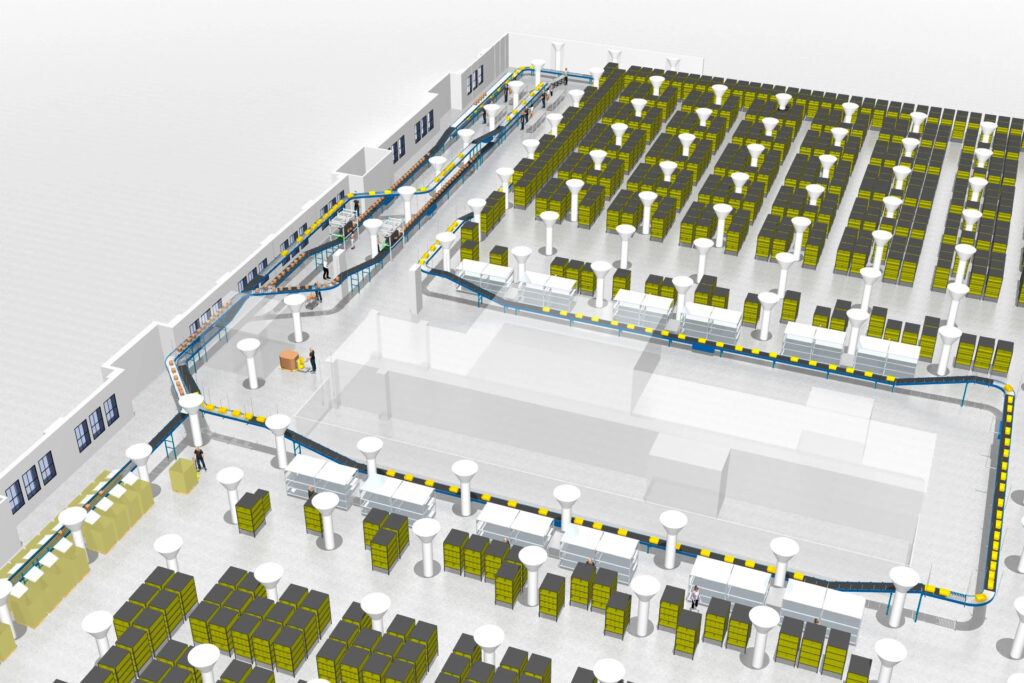
StreamTech’s goods-to-person picking system streamlines the picking process by moving inventory shelves and pallets directly to the picking station. This reduces reliance on travel time and manual movement, while allowing for denser storage and better use of vertical space. They have also been shown to significantly minimize picking errors, minimize worker strain linked to high-volume picking, and generally accelerate the picking process.
By reducing variability in the picking process, these systems help stabilize throughput and minimize problems. As output becomes more consistent, managers gain a clearer view of capacity and can plan more confidently around demand, rather than reacting to it.
Pack Automation That Mitigates Bottlenecks and Creates Space
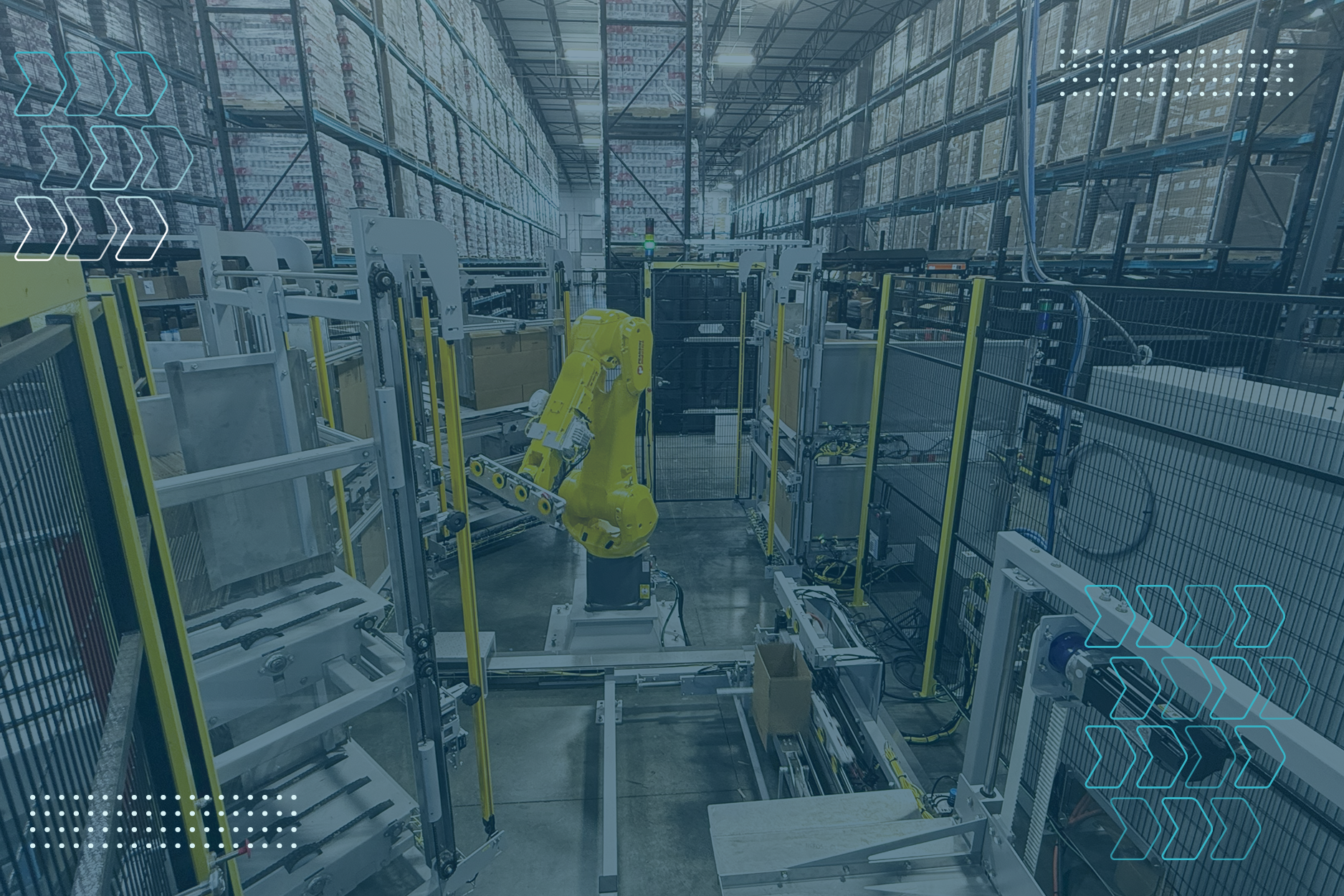
StreamTech can integrate packaging automation systems to build boxes, tape, and perform void fill, removing variability from one of the most common points of delay. With fewer people in the packing area and fewer manual interventions, packing lines operate more consistently and are less prone to slowdowns caused by rework or error correction.
This consistency allows fulfillment to run at a more predictable rate and makes it easier to adjust output by adding capacity or modifying system parameters. As bottlenecks are reduced, available space and labor can be reallocated more effectively, supporting growth without requiring proportional increases in cost.
Document Automation That Increases Customer Satisfaction
StreamTech’s document automation handles tasks such as printing, folding and inserting documents such as instructions, pack slips, return forms, or marketing materials. By removing these manual steps from the process, document automation helps ensure consistency and accuracy while freeing up labor for higher-value work.
Automation also opens up new avenues for order customization. Inserts, instructions, and branded materials can be dynamically selected and applied based on order data, rather than handled manually at the packing station. This allows operations to support personalized fulfillment experiences—such as targeted messaging or tailored packaging—without slowing throughput or increasing error rates. As customer expectations shift toward more personalized post-purchase experiences, the ability to execute these variations consistently becomes a key part of scaling fulfillment operations.
Turning Shipping Into a Faster, Smarter Final Step
The final steps in the fulfillment process at the end of the line – dimension, weight capture, labeling and sorting is one of the most labor intensive and error-prone areas of the process.
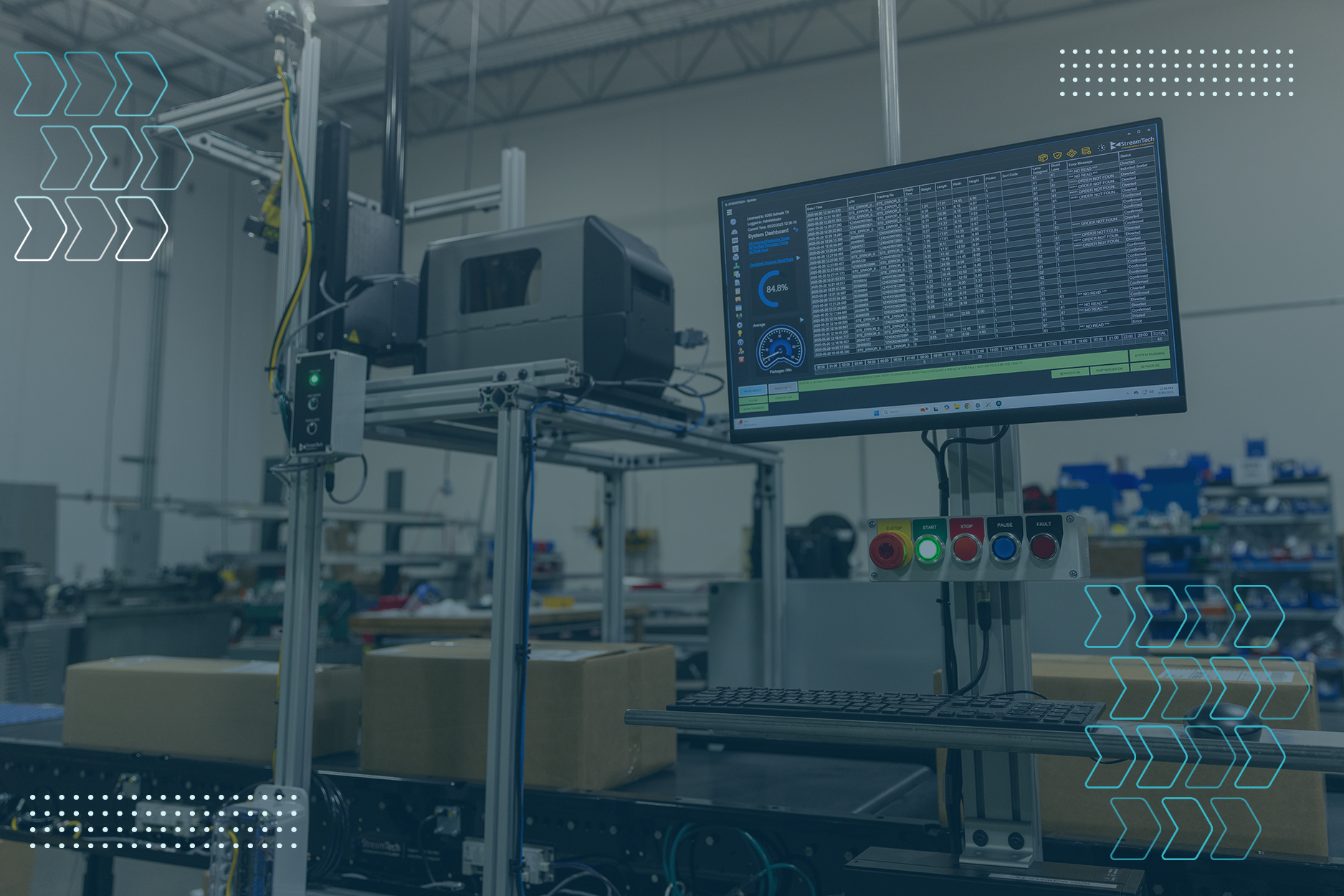
StreamTech’s end-of-line shipping automation is where the warehouse connects operational speed with shipping accuracy. By capturing parcel dimensions and weights, applying carrier-compliant shipping labels, and using multi-carrier rate shopping, the system helps ensure each order ships by the best available method. From there, parcels can be automatically sorted by carrier, service level, or destination, reducing manual touches and helping teams keep pace as order volume grows.
A Fulfillment Automation Strategy Built to Scale
Improvements in accuracy and efficiency are valuable, but the deeper benefit of automation is predictability. When system behavior is consistent across different demand levels, growth becomes easier to plan and manage. Instead of reacting to sudden increases in volume, operations can adjust capacity in a controlled way—by adding systems or modifying how work flows through the process. As output becomes more stable, managers gain a clearer understanding of what the operation can reliably handle.
This predictability allows leaders to scale with greater confidence. Capacity becomes something that can be defined, measured, and aligned with business goals. And rather than introducing risk, new opportunities can be evaluated against known system capabilities. Over time, this shifts the warehouse from a constraint on growth to a component of the business that actively supports it.
If you’re evaluating how your current operation handles variability, a structured approach to automation can help clarify where constraints exist and how they can be addressed. StreamTech works with teams to design fulfillment systems that perform consistently under changing conditions and support long-term growth. Contact us today for a free project assessment or check out how we’ve helped other companies scale on their own terms.