

Estimated reading time: 2 minutes
What does it really take to design a high-performing SLAM system?
In this clip from PROMAT 2025, Bob Miller, VP of Sales, shares practical insights from his experience designing and implementing end-of-line fulfillment systems.
Key Components of a Successful SLAM System
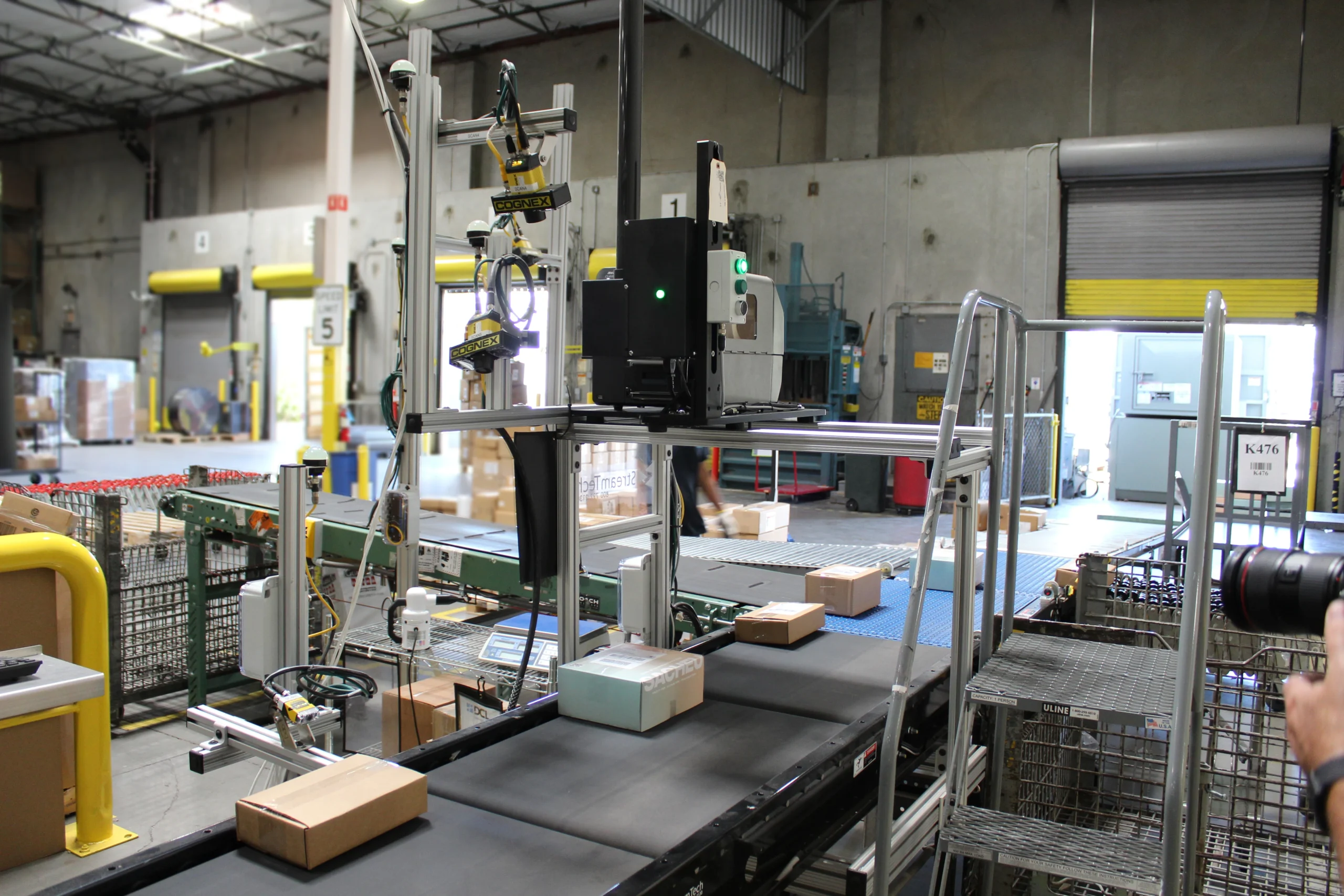
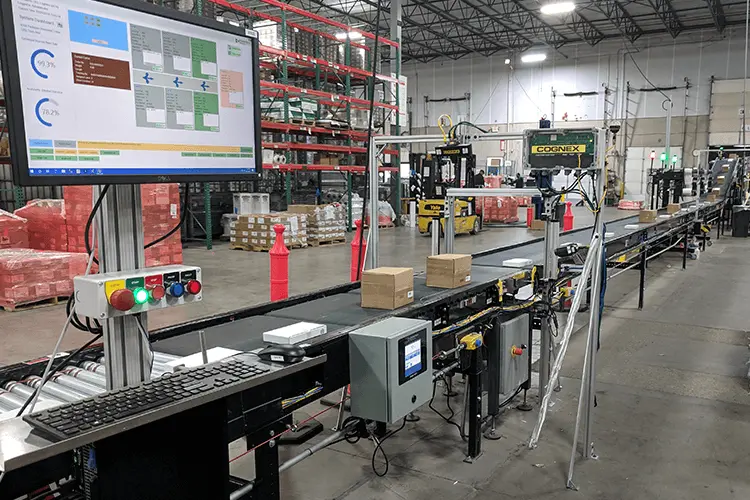
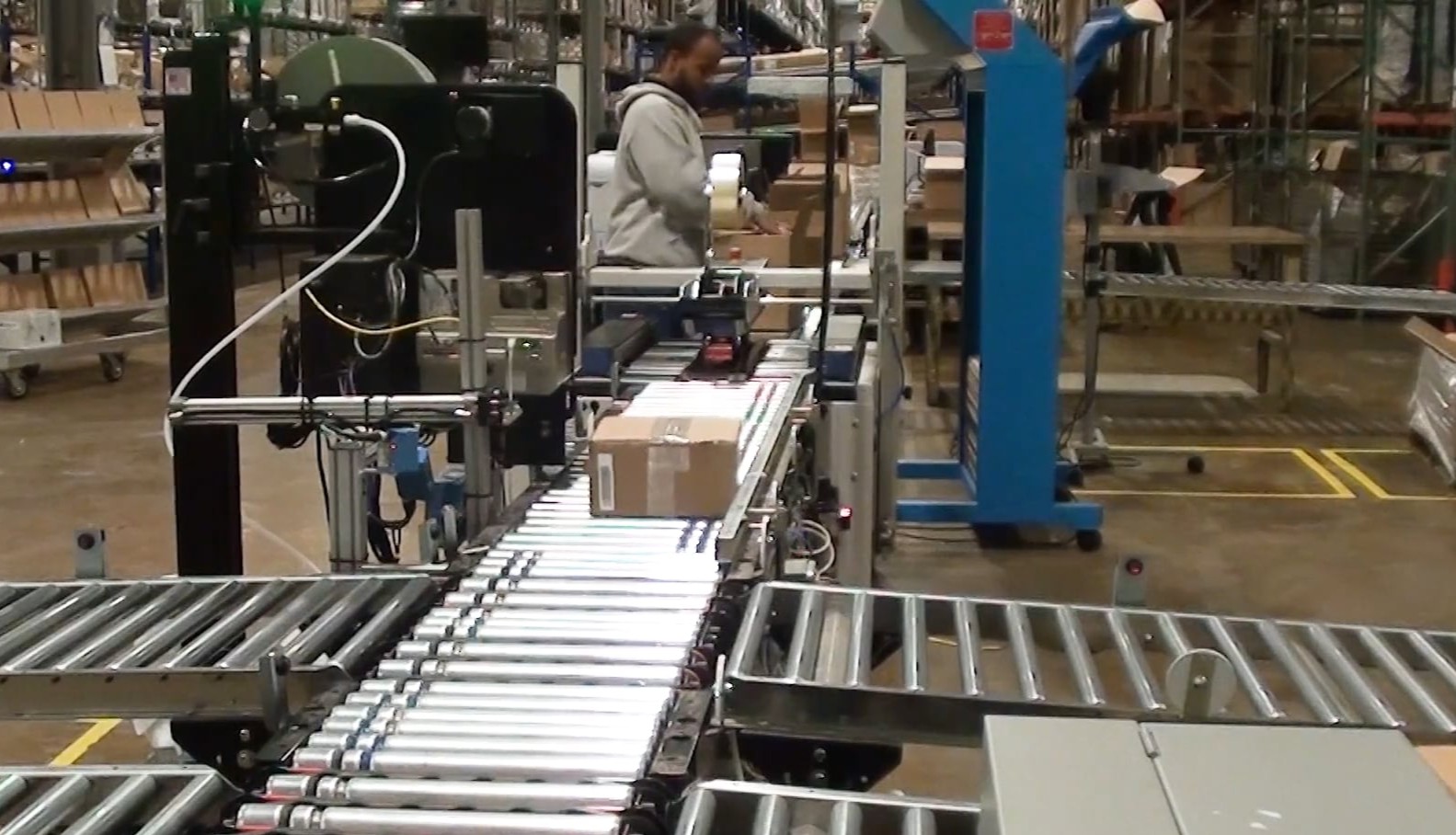
Drawing from real-world challenges, Bob breaks down the key components of a successful SLAM system (scan, label, apply, manifest), from data capture and quality control to label application, sortation, and system integration.
- Data capture and quality control
- Label application and verification
- Sortation and downstream routing
- Integration across systems and equipment
- Building quality into every step of the process
He highlights the importance of using tools like dimensioning, weighing, scanning, and machine vision to improve accuracy and reduce errors.
Design Considerations for Performance and Reliability
- Throughput planning and system sizing
- Labeler redundancy to prevent downtime
- Integration with transport management systems (TMS)
- Exception handling across software and material handling systems
- Maintaining consistency in high-volume operations
Built for Scalable Fulfillment
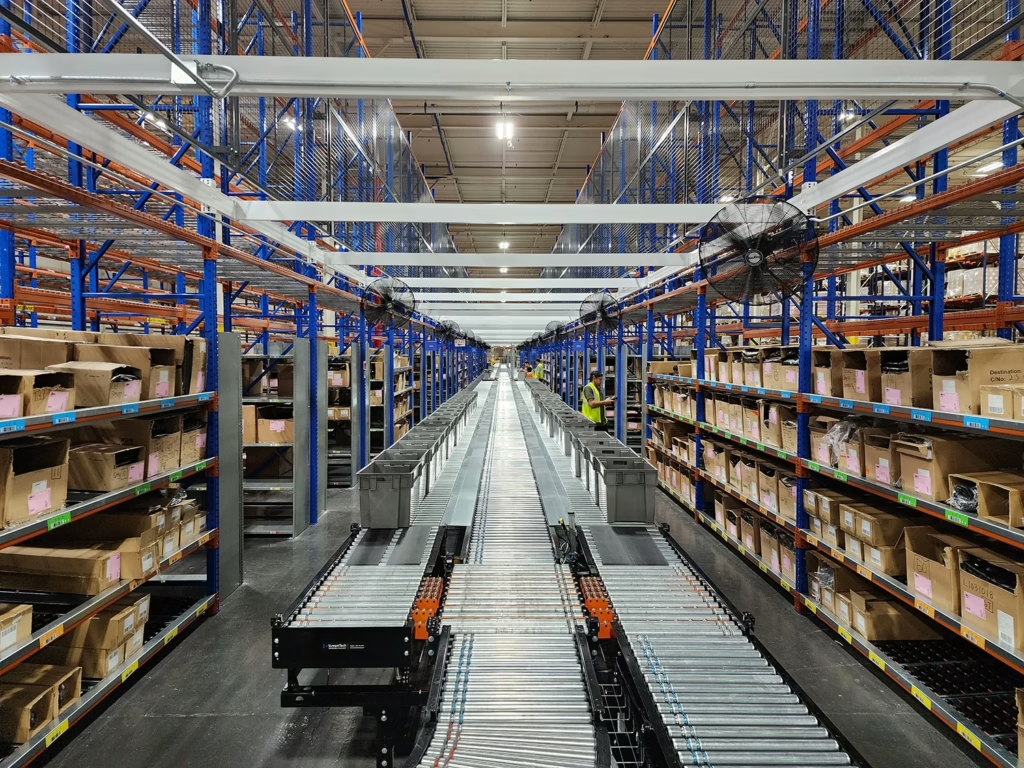
This session offers a practical look at the strategies behind scalable fulfillment automation systems, with takeaways for operations looking to improve performance, reliability, and long-term system design.